







The O=Mega19 clinical conference is designed for optometrists at all stages of their career. Presented by Optometry Victoria and replacing the SRC annual conference, it brings together international and domestic speakers, with dual streams and concurrent practical breakout sessions.
Pete Haydon, Optometry Victoria CEO, says this year’s new O=Mega19 special conference will offer something for everyone, as befitting the largest eye care and eyewear event ever to be held in the Southern Hemisphere.
“It is a truly regional event for Asia Pacific. Already around 40 New Zealand-based optometrists have registered for the conference alongside more than 800 of their colleagues from Australia and beyond. O=Mega19 brings together a comprehensive, cutting-edge clinical programme with a vast, dynamic trade show. We feel there’s something for everyone in Melbourne this year and we’re really excited about the support shown to us and hope to see you all there in July.”
Optometrists can choose to attend one, two or three days of the conference with up to 48 Australian (approximately 14 New Zealand) CPD points available. The format includes mostly one-hour lectures with more practical, sponsored sessions.
The Friday sessions kick off at midday, with clinical lectures covering topics such as novel treatments for dry eye, clinical electrophysiology, the turned eye and pregnancy and the eye with international keynote Professor Danica Marrelli. Saturday, meanwhile reviews the US’ take on myopia control, visual fields loss and glaucoma and corneal compromise, and presents an interdisciplinary view of prescribing glasses for children by Associate Professor Rod Baker.
One session not to miss is the international keynotes’ two-hour afternoon session with Prof Danica Marrelli and Associate Professor Jordan Keith on ‘Cases that helped shape our careers’.
Sunday sees another full day of lectures with highlights such as Gavin O’Callaghan, who heads up the contact lens (CL) clinic at the Royal Adelaide Hospital, discussing complications with scleral contact lenses, and medical retina specialist, Associate Professor Lyndell Lim, delving into uveitis. Later, optometrist and CL specialist David Foresto discusses the positive psychological effects of wearing custom contact lenses, while Prof Marrelli and A/prof Keith return to discuss how to get the most from your OCT for glaucoma patients and the importance of applying an evidence-based approach to clinical decision making.
For the full programme, visit www.omega19.com.au/conference
Meet the speakers
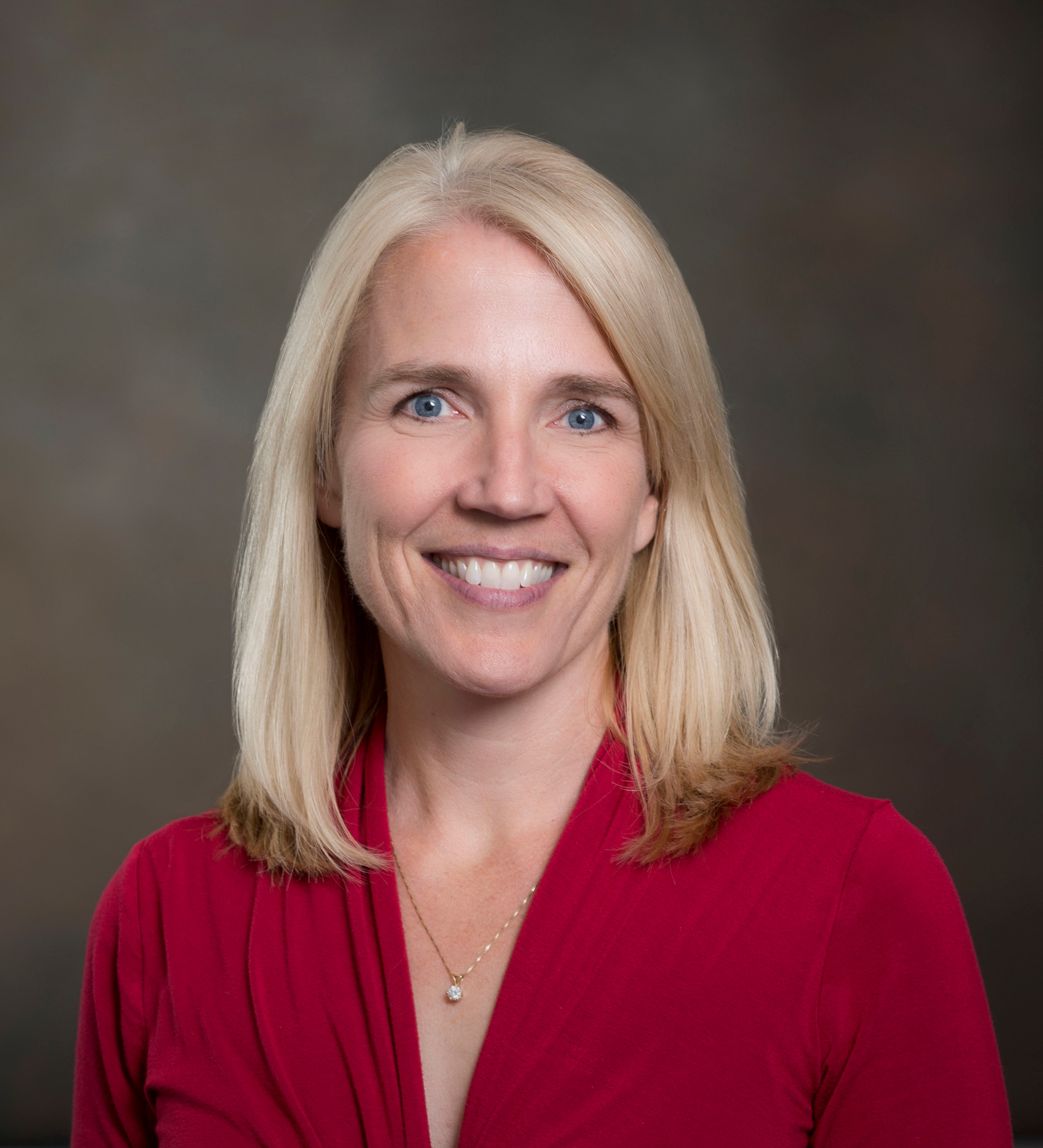
Professor Danica Marrelli
Danica Marrelli is a clinical professor in optometry at the University of Houston, covering the glaucoma, retina and general eye disease clinics while teaching ocular pharmacology, glaucoma management and case-based learning. She is also secretary of the Optometric Glaucoma Society.
What aspect of optometry most interests you?
I thought it would be dreary caring for patients with glaucoma, but it’s incredibly fulfilling. Each patient has individual medical, ocular and psychosocial needs and because I see them several times a year, I've developed close relationships.
What are you looking forward to at O=Mega19?
I'm super-excited to see a part of the world I've never seen! I’m also fascinated to see how optometrists in other parts of the world practise. My view of Australian optometrists might have been influenced by the "Australia Party" and Fosters beer at the American Academy of Optometry each year, but I’m impressed at the strides Australians have taken to expand optometrists’ scope of practice. I was fortunate to meet Brien Holden on several occasions and his legacy lives on throughout the world.
How do you see eye care changing?
As our population ages and the number of ophthalmologists decreases, optometrists will provide more eye care. Scope expansion in the US includes medical and even minor surgical/laser therapy in many states and we've seen a rise in online "eye exams" and spectacle sales. The way my mentors practised is not the way my current students will practise - some of that is positive and some is not.
What are you sharing at O-Mega19?
I had amazing mentors who've been generous with their time and knowledge. It's a privilege to pass this knowledge on to others. I hope to provide some practical, clinical insight into evaluating and managing glaucoma patients, so optometrists can return to their practices and incorporate what they've learned.
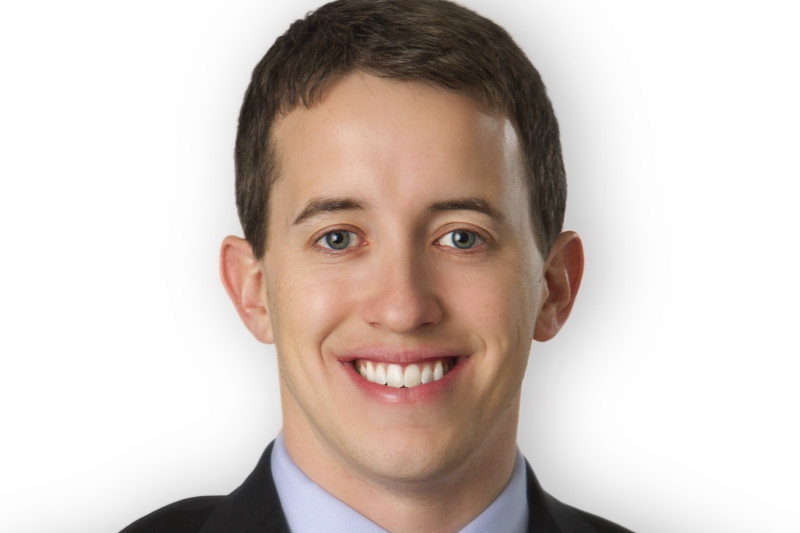
Assistant Professor Jordan Keith
Optometrist A/Prof Jordan Keith received six teaching awards during his time at the Illinois College of Optometry (ICO) in Chicago, where his focus was clinical teaching. Now in private practice in Minnesota, he continues to teach review courses and continuing education in the US, Canada and Puerto Rico, is an American Board of Optometry diplomate and chair of the Minnesota Optometric Association Education Committee.
Why optometry?
The art of using science to care for people is what pulled me towards healthcare. A history of fainting when looking at blood is what brought me to optometry!
What do you love about teaching?
There is nothing more transformative for an individual than education from a great teacher. It is because of past mentors, that I teach. I hope to leave a similar impact.
What are you looking forward to at O=Mega19?
Seeing how Australians embrace the profession and put on a meeting. You throw one heck of a party at our national Academy of Optometry meeting!
What takeaways do you want to achieve?
Simplified, clear clinical pearls that optometrists can use the first day back in clinic.
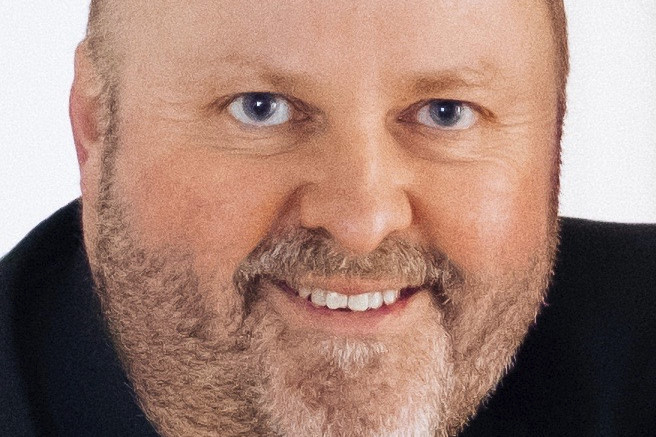
Assistant Professor Rod Baker
A/Prof Baker was president of Optometry Victoria and has been heavily involved with the Australian College of Optometry, most notably as head of paediatric services and clinical services committee chair. He’s taught clinical skills at the University of Melbourne, worked in rural Papua New Guinea and trained nurse educators in South Africa. Today he directs a practice in Sunbury, Victoria, and reflects on the world through singing and writing music, producing seven albums of original songs.
What’s your optometry passion?
Over 30 years I have seen great changes in therapeutic practice with optometrists now working collaboratively with ophthalmologists and in primary health care. Optometry still lags a long way behind in broader paediatric practice and working collaboratively with child health, education and welfare services. I am passionate about seeing paediatric optometry progress in this area as it has with therapeutic practice.
What aspect of paediatric eye care most interests you?
Child-centred practise in optometry, including the importance of recognising critical time frames in childhood and adolescence. This includes considering the developmental needs of children, providing intervention as early as possible and appropriate opportunities for the child to be heard and promoting a collaborative approach to care.
What do you hope to share at O=Mega19?
Acknowledgement of the child. Every child is a capable and competent person and has the right to express their views, be heard and taken seriously and receive the highest attainable standard of healthcare.
A collaborative paediatric practice is more than just the giving and receiving of referrals. It is a commitment to effective communication with other professionals and learning from and contributing to the framework of practise of others.
How do you fit your music around your work?
I won’t be singing at O=Mega19! For me music is another passionate pursuit that complements and sustains my commitment to my optometry practice. I encourage early career practitioners to see how other interests can be complementary to and not an impediment to a successful professional career in optometry.
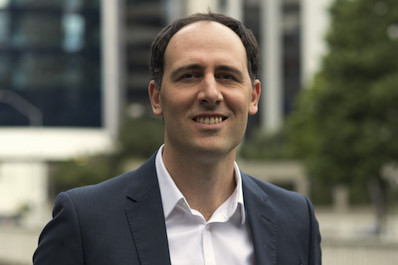
David Foresto
David Foresto is a practising optometrist, a Queensland University of Technology lecturer and former president of Optometry Queensland/NT. In his Brisbane CBD practice he works predominantly with custom contact lenses for keratoconus, myopia control and babies born with congenital cataract. He also provides theatrical contact lens fitting for the movie industry and has provided eye care for elite athletes from the Brisbane Broncos and Cirque du Soleil.
Why custom contact lenses?
The gains for patients are so large. It's such a privilege to take someone with keratoconus from being unable to read the top letter on the chart to being able to read 6/6, or to be there when a baby with congenital cataracts sees for the first time. These days I wear a face mask for this, so the first faces they see are their parents’ rather than mine.
How is a CL for an athlete or actor different?
Athletes rarely use primary gaze for more than a fleeting nanosecond, so the dynamic nature of their contact lens fit will be far different to someone who sits at a computer all day.
For actors, the size of the lens is the main difference. We might use a soft lens up to 24mm in diameter compared to the typical 14mm so there is a lot more lid-lens interaction.
What’s new for custom CLs?
The wavefront correction we can now put on scleral lenses has been a dramatic development in my practice. As we build on that, we'll be giving people vision most humans have never attained. I also think, inevitably, being able to add a visual display to contact lenses will be a huge step for humanity.
What are you looking forward to at O=Mega19?
I love speaking at conferences as the energy at a large event is always so great to play off. I'd rather speak to a theatre of 1000 optometrists than a room of 10.
What do you hope to leave your audience with?
Too often we limit what we think we can achieve with contact lenses. I want optometrists to look at contact lenses as a high-tech, modern-day solution and not something of a burden given the extra chair time it takes to fit them.
They really can change people's lives.